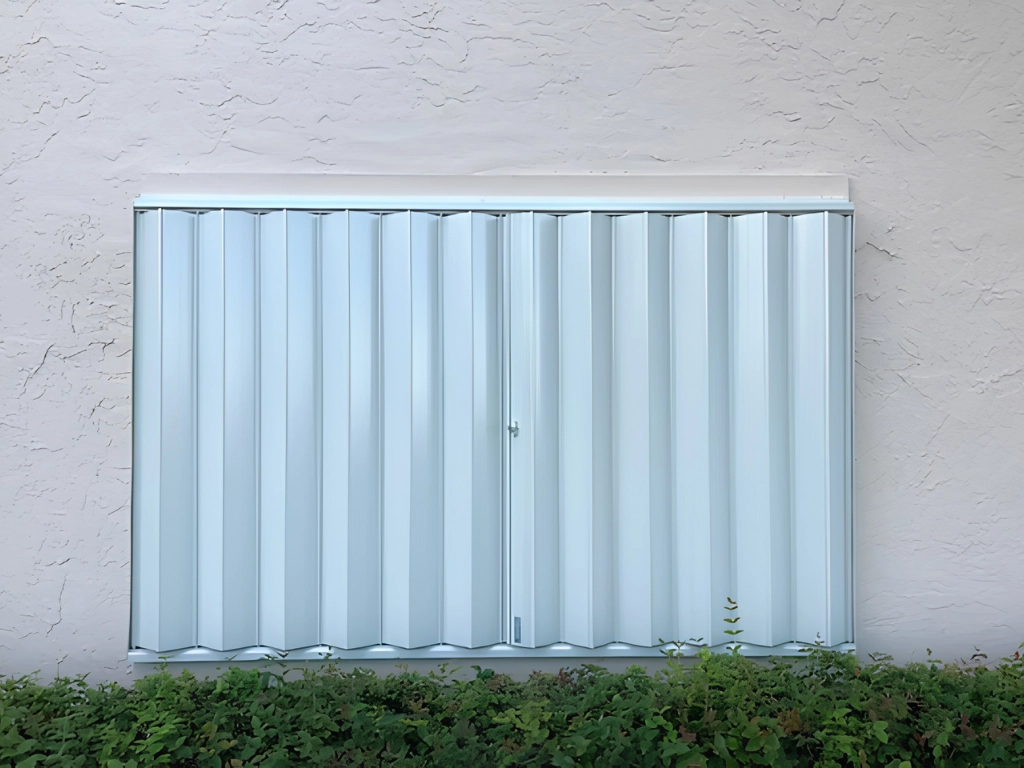

Maintaining your home’s defenses is just as important as the initial installation. While accordion systems are known for their durability, they are precision-engineered mechanical systems exposed to harsh salt air, intense humidity, and abrasive dust every single day. Without a consistent hurricane shutter maintenance routine, these life-saving tools can seize up or corrode, failing you right when a storm enters the Gulf.
In 2026, as climate patterns become more unpredictable, ensuring your shutters glide smoothly is a non-negotiable part of homeownership. This comprehensive guide covers everything from the “Dry Lubricant Secret” to troubleshooting common mechanical issues, ensuring your Storm Shield shutters remain a reliable barrier for decades to come.
The Ultimate Guide to Accordion Shutter Maintenance
The most expensive mistake a homeowner can make is assuming that shutters are a “set it and forget it” product. The cost of neglect is far higher than the few minutes required for upkeep; a neglected shutter can suffer from “pitting” corrosion or seized rollers, leading to expensive part replacements or, worse, a total failure during a high-wind event. Proper hurricane shutter maintenance ensures that the aluminum blades remain flexible and the locking mechanisms remain responsive.
Shifting your mindset from “emergency use only” to “regular operation” is the first step toward longevity. In Florida’s coastal environment, salt spray acts as a silent glue, bonding dust and grime into the tracks and hinges. By establishing a maintenance mindset, you treat your shutters like any other mechanical asset—similar to your HVAC or car—ensuring they are ready to perform under pressure.
The Maintenance Tool Kit Essentials
To perform professional-grade hurricane shutter maintenance, you don’t need expensive machinery. Most of the necessary items are already in your garage or under your kitchen sink. Keeping these items in a dedicated “Storm Box” makes the process quick and efficient:
- A Shop Vac or stiff-bristled brush: Vital for clearing out the debris-heavy bottom tracks.
- Mild Dish Soap (Non-Abrasive): To break down salt and grime without damaging the powder coating.
- A Soft Microfiber Cloth or Sponge: To wipe down the aluminum blades.
- Dry Silicone Spray: The gold standard for lubrication (avoid oil-based products at all costs).
- Fresh Water Source: A standard garden hose is perfect; avoid high-pressure washers which can force water into delicate roller bearings.
Maintenance Schedule: 2026 Recommended Intervals
| Task | Frequency (Inland) | Frequency (Coastal/Beachfront) | Purpose |
| Freshwater Rinse | Every 3 Months | Every Month | Removes salt/acid rain |
| Track Vacuuming | Every 6 Months | Every 3 Months | Prevents roller jams |
| Full Lubrication | Twice a Year | Every 3 Months | Ensures smooth gliding |
| Lock Testing | Every 2 Months | Every Month | Prevents key-freeze |
| Full Deployment | Once a Month | Once a Month | Exercises the hinges |
Cleaning Your Shutters Like a Pro
Just as you wouldn’t let your car sit covered in salt and grime, your hurricane shutter maintenance routine must include a thorough cleaning process. In Florida, environmental factors like salt spray, pollen, and even acid rain can create a “chalking” effect on the powder-coated finish of your accordion shutters. This isn’t just an aesthetic issue; if left untreated, this oxidation can lead to pitting, which weakens the aluminum over time.
For those living within five miles of the coast, a monthly freshwater rinse is the single most effective way to prevent salt-air corrosion. For inland residents, a deep clean twice a year—ideally at the start and end of hurricane season—is sufficient.
- The Surface Wash: Mix warm water with a mild, non-abrasive detergent (like Dawn dish soap). Using a soft microfiber cloth or a non-abrasive sponge, wipe down each individual aluminum blade from top to bottom. Avoid using bleach, vinegar, or harsh industrial cleaners, as these can strip away the UV-protective layer of the powder coating.
- The Track Deep-Clean: This is the most critical part of hurricane shutter maintenance. The bottom track is a natural collector for sand, dead leaves, and even insect nests (like mud daubers). Use a shop vac with a crevice tool to pull out loose debris, then use a small, stiff-bristled brush to scrub the corners of the track. If the track is clogged, the rollers will be forced to “climb” over the debris, which eventually bends the roller stems and causes the system to jump the track.
- Rinsing Technique: Always use a low-pressure garden hose to rinse away soap residue. Never use a high-pressure power washer at close range, as the force can drive water into the delicate bearings of the rollers or behind the wall anchors, potentially causing internal wall rot or mechanical failure.
The Golden Rule of Lubrication
If there is one thing you remember from this guide, let it be this: never use petroleum-based lubricants (like traditional WD-40) on your accordion shutters. While it might provide a quick fix for a squeak, petroleum-based oils are “wet” lubricants. In the Florida environment, they act as a magnet for dust and salt, creating an abrasive “grime paste” that eventually grinds down your hardware like sandpaper.
For professional-grade hurricane shutter maintenance, you must use a dry silicone spray or a Teflon-based lubricant. These products go on wet to penetrate deep into the joints but dry into a clear, non-sticky film that repels moisture and won’t attract dirt.
Where and How to Lubricate
- Top Track Rollers: Open your shutters halfway and spray the lubricant directly onto the wheels and axles in the top track. This is the “engine” of your system; well-lubricated rollers allow the heavy aluminum panels to glide with the touch of a single finger.
- Vertical Hinges: Each “fold” in your accordion shutter is a hinge. Lightly spray the entire length of these vertical joints. This ensures the aluminum blades can pivot smoothly without putting stress on the wall mounts.
- Locking Cylinders: This is the most overlooked step in hurricane shutter maintenance. Salt air can “freeze” a lock cylinder in just a few months. Insert the straw of your silicone spray into the keyhole and give it a quick burst, then insert and turn your key several times to distribute the lubricant.
- Recommended 2026 Products: Look for high-performance options like WD-40 Specialist Quick-Drying Silicone or B’laster Industrial Strength Silicone. These are specifically engineered for the extreme temperature ranges and humidity found in the Sun Belt.
Pro Maintenance Comparison: Lubricants to Use vs. Avoid
| Lubricant Type | Recommendation | Why? |
| Dry Silicone Spray | Highly Recommended | Dries clear; repels dust, salt, and water. |
| Teflon (PTFE) Spray | Recommended | High-performance friction reduction; stays dry. |
| Graphite Powder | Use Only for Locks | Good for keyholes; messy for tracks/hinges. |
| Traditional WD-40 | AVOID | Attracts dirt; dries into a sticky residue. |
| White Lithium Grease | AVOID | Becomes “gunk” in heat; traps salt air. |
Troubleshooting and Common Repairs
Even with diligent hurricane shutter maintenance, the harsh Florida environment can occasionally lead to mechanical hiccups. Knowing how to identify and address these issues early can prevent a minor nuisance from becoming a total failure during a storm warning.
- My Shutter is Stuck or “Jumpy”: If your accordion shutter feels like it’s hitting a speed bump, do not force it. This is usually caused by a “jumped” roller or a hidden obstruction in the track.
- The Fix: Retract the shutter fully and inspect the bottom track for small stones or hardened salt deposits. If the rollers have jumped the track, you can often gently lift the panel and guide the wheels back into the groove. If the sticking persists, check for a bent track or a loose mounting screw that might be protruding into the roller’s path.
- The Key Won’t Turn: A seized lock is a classic sign of skipped hurricane shutter maintenance.
- The Fix: Never use a hammer or pliers to force a key. Instead, spray a generous amount of dry silicone or a dedicated “Lock De-Icer” into the cylinder. Let it sit for 10 minutes, then gently jiggle the key. If the lock is heavily corroded, you may need to replace the locking handle entirely—a common repair that most homeowners can handle with a screwdriver.
- Bent Slats or Alignment Issues: Over time, the aluminum blades can become slightly misaligned if they are pushed or leaned on while in the open position.
- The Fix: Open the shutters and look down the line of the “stack.” If one blade is bowing out, you can often gently press it back into alignment. However, if the track itself is warped or pulled away from the wall, it’s time to call the experts at Storm Shield to ensure the structural integrity hasn’t been compromised.
The 2026 Hurricane Shutter Maintenance Checklist
To keep your home storm-ready, we recommend following this tiered checklist. Consistency is the most effective way to protect your investment and ensure your insurance credits remain valid.
Monthly: The “5-Minute Exercise”
- Operate: Pull the shutters fully closed and lock them, then open them back up. This prevents “settling” and clears small spider webs or dust.
- Visual Scan: Look for fresh rust on screws or any signs of wasp nests inside the housing stacks.
Bi-Annually: The Deep Dive (May & December)
- Vacuum & Scrub: Perform the deep-clean of the top and bottom tracks.
- Full Lubricate: Apply dry silicone to the rollers, hinges, and lock cylinders.
- Tighten Hardware: Check the mounting anchors and wall screws. If any are loose, tighten them to ensure they meet the 175+ MPH wind load rating.
Yearly: Professional Health Check
- Schedule a Tune-Up: Once a year, have a professional technician inspect the roller bearings and wall seals. Minor adjustments to the “tension” of the system can extend its lifespan by a decade.
When to Call a Professional vs. DIY
| Symptom | DIY Fix | Call a Pro |
| Grinding Noise | Clean/Lubricate Tracks | If noise persists (Bearing failure) |
| Stiff Movement | Lubricate Hinges | If tracks are bent or warped |
| Stuck Lock | Silicone Spray / De-Icer | If lock is snapped or won’t engage |
| Pitted Aluminum | Mild Sanding / Paint Touch-up | If metal is flaking or thin |
| Loose Anchors | Tighten Screws | If wall is crumbling or anchors won’t bite |
Conclusion: Consistency is Key for Storm Safety
The 15 minutes you spend on hurricane shutter maintenance twice a year is the cheapest insurance you will ever buy. These systems are marvels of engineering, designed to stand between your family and the most violent weather on earth—but they can only do their job if they are kept in peak mechanical condition.
In the 2026 Florida market, a well-maintained shutter system is also a major financial asset. It preserves your home’s resale value, protects your interior from UV damage and water intrusion, and ensures you continue to receive those vital wind mitigation credits on your insurance policy.
Is your shutter system feeling a little sluggish? Don’t wait for a storm to be on the horizon. Contact Storm Shield today to schedule a professional maintenance tune-up or to browse our latest low-maintenance accordion designs. We’ll make sure your home is hardened, ready, and gliding like new.